What Are the Different Types of Lawn Aeration?
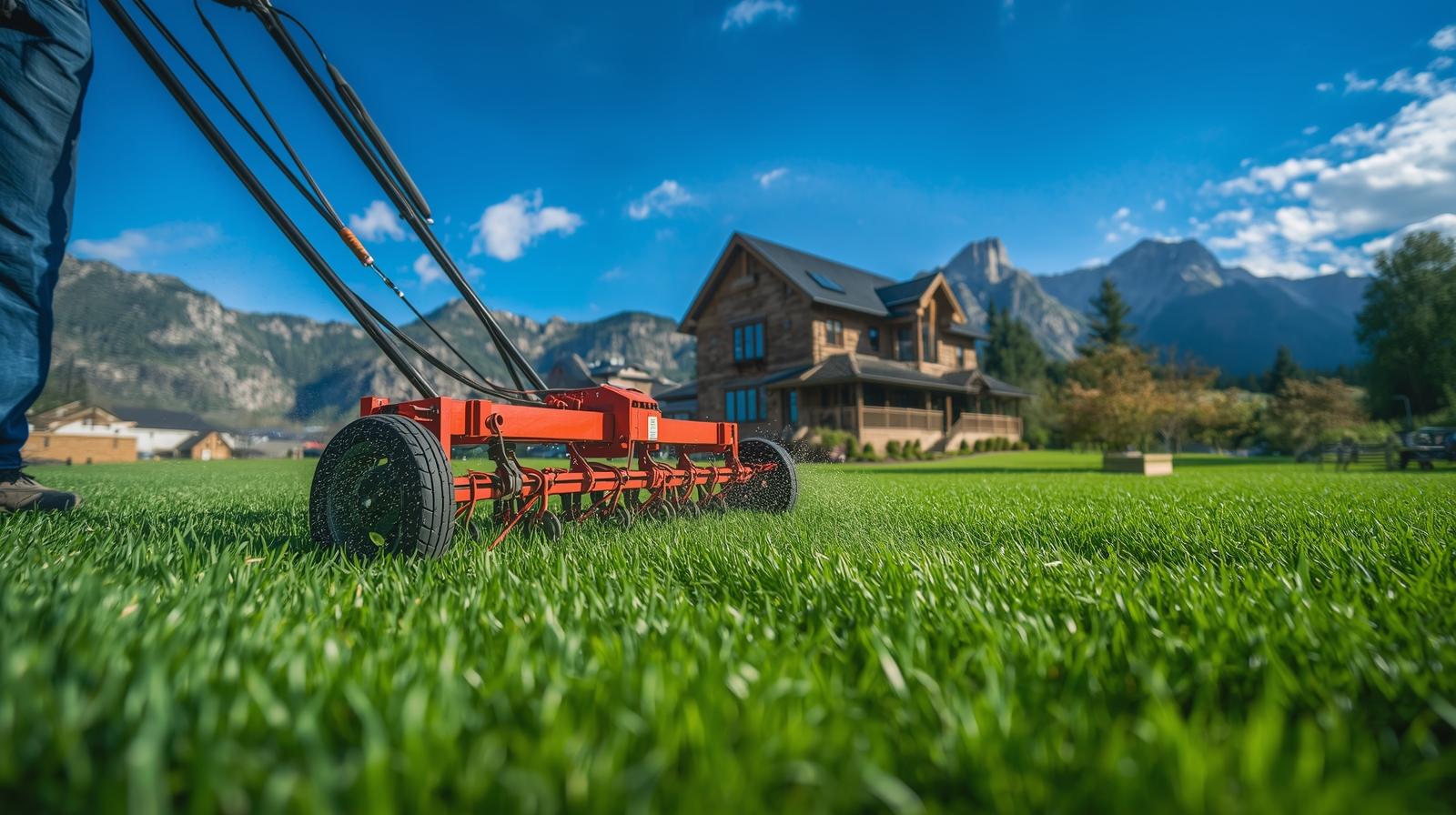
Lawn aeration is a simple yet powerful way to keep your grass healthy. It relieves soil compaction, improves water absorption, and promotes stronger root growth.
Many homeowners underestimate the importance of aeration. Yet, it can make the difference between a patchy, weak lawn and a thick, vibrant one.
Aeration might seem complicated, but it comes in a few easy-to-understand types. Knowing which type works best for your lawn can make a big difference in its overall health.
Why Aeration Matters
Over time, soil gets compacted. Heavy foot traffic, pets, and even rainfall can make it hard for grass roots to grow properly.
Compacted soil restricts water, nutrients, and oxygen from reaching the roots. Aeration opens up the soil, giving your lawn what it needs to thrive.
Compaction also slows down natural microbial activity in the soil. This can reduce the breakdown of organic matter and affect overall soil fertility.
Aeration ensures your lawn can access essential nutrients. It also improves root penetration, which is vital for resilience during drought or extreme temperatures.
Types of Lawn Aeration
Core Aeration
Core aeration is one of the most common methods used by homeowners and lawn care professionals. It removes small plugs of soil from your lawn, usually about 2–4 inches deep.
These plugs are left on the surface and break down naturally, enriching the soil. Core aeration is excellent for relieving compaction and allowing water and nutrients to penetrate deeper into the soil.
Core aeration is particularly effective for clay-heavy soils. By removing plugs, it creates space for roots to expand and access nutrients more efficiently.
It also helps reduce thatch buildup, which can prevent water and nutrients from reaching the roots if left untreated.
Spike Aeration
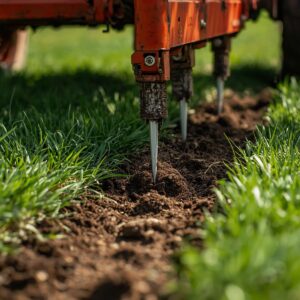
Spike aeration involves poking holes in the soil with a solid tine or spike. Unlike core aeration, spike aeration does not remove soil plugs.
It is less aggressive than core aeration but can still help loosen the soil and improve water penetration. Spike aeration works well for lawns that are lightly compacted.
Spike aeration is a good option for small yards or areas where you want to avoid disruption. It’s also useful for routine maintenance between core aeration sessions.
Liquid Aeration
Liquid aeration is a newer, chemical-based method that uses a liquid solution to soften and break up soil. It often contains ammonium-based compounds that temporarily reduce soil density.
This method can be applied easily with a sprayer and does not create holes like traditional aerators. Liquid aeration is useful for lawns that are difficult to aerate with heavy equipment.
It also helps with nutrient penetration. By loosening the soil chemically, it allows fertilizers and water to reach the roots more effectively.
Liquid aeration is convenient for small lawns or tight spaces. It’s gentle on the lawn, causing minimal disruption to grass blades.
Manual Aeration
Manual aeration involves using hand tools, such as a garden fork or a spike aerator, to poke holes in the soil. This is a good option for small lawns or hard-to-reach areas.
It requires more effort than mechanical methods but can be effective if done consistently. Manual aeration allows precise control over where you aerate your lawn.
Manual aeration is especially helpful around garden beds, trees, and landscaping features. It ensures targeted treatment without damaging other plants.
Mechanical Aeration
Mechanical aerators are machines that make the job faster and easier, especially for large lawns. These machines can be rented or hired through a lawn care service.
Mechanical aeration is often used for core aeration, but some machines also offer spike aeration options. They save time and ensure consistent hole depth across your lawn.
Professional mechanical aerators are ideal for lawns larger than half an acre. They create uniform holes that improve soil health and promote vigorous root growth.
 Choosing the Right Type
Choosing the right type of aeration depends on your lawn’s needs. Core aeration is ideal for lawns with heavy compaction, while spike aeration is better for lightly compacted areas.
Liquid aeration can complement traditional methods, especially for lawns that are difficult to access. Manual aeration works for small, targeted spots.
Consider your soil type, lawn size, and grass variety. Each factor influences which method will give the best results for a healthy, thriving lawn.
When to Aerate
The timing of aeration depends on your grass type. Cool-season grasses, like fescue or bluegrass, are best aerated in early fall or spring.
Warm-season grasses, like Bermuda or zoysia, respond well to aeration in late spring through summer. Aerating at the right time ensures maximum root growth and recovery.
Avoid aerating during periods of extreme heat or drought. This can stress the grass and reduce the effectiveness of the process.
Benefits of Lawn Aeration
Aeration improves water absorption, allowing rain and irrigation to reach the roots. It also increases nutrient uptake, which leads to thicker, greener grass.
It can help reduce thatch buildup and improve air circulation in the soil. Overall, aeration makes your lawn more resilient against drought, disease, and heavy foot traffic.
Aeration also promotes healthier root systems. Strong roots make your lawn more resistant to pests, environmental stress, and uneven growth.
Aftercare Tips
After aeration, it’s a good idea to overseed bare spots in your lawn. Adding fertilizer and keeping the lawn watered will help the grass recover quickly.
Avoid heavy foot traffic on freshly aerated lawns for a week or two. This allows roots to grow into the holes and ensures long-term health.
Regular mowing and fertilizing after aeration maximize results. Following proper care routines keeps your lawn dense, green, and weed-free.
At Chuck’s Lawn Care, we ensure our clients feel empowered to make the most of their freshly aerated lawn. We provide guidance, products, and support while remaining available for any extra help.
Lawn Aeration in Colorado
Colorado lawns face unique challenges due to the state’s climate and soil. Dry summers, cold winters, and clay-heavy soils make proper aeration especially important.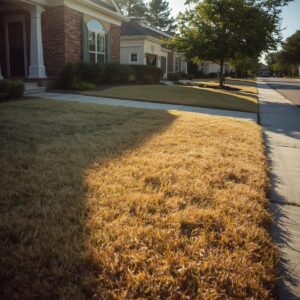
Aeration helps lawns survive Colorado’s hot, dry summers and freeze-thaw cycles in the winter. It also improves nutrient absorption in soils that are often compacted or clay-dense.
Choosing the Right Method for Colorado Lawns
Core aeration is usually the best choice for Colorado lawns. The plugs it removes help clay-heavy soils breathe and let water reach deep roots.
Spike aeration works for lightly compacted areas but is less effective on dense soils. Liquid aeration is another option for homeowners with smaller lawns or hard-to-reach areas.
Preparing Your Lawn in Colorado
Before aerating, mow your lawn slightly shorter than usual. This helps the aerator reach the soil more effectively and creates cleaner holes.
Watering a day or two before aeration is important. Moist soil is easier to penetrate and ensures plugs come out cleanly.
Benefits Specific to Colorado Lawns
Aeration improves water absorption, which is critical in Colorado’s often-dry climate. It also helps reduce soil compaction caused by foot traffic, pets, and construction.
Aeration combined with overseeding strengthens lawns against common Colorado problems like drought stress, soil erosion, and patchy growth. Healthy roots mean a greener, more resilient lawn all year.
 Colorado Lawn Aeration FAQ
1. How often should I aerate my Colorado lawn?
For most Colorado lawns, once a year is ideal. Chuck’s Lawn Care recommends early fall for cool-season grasses to maximize root growth before winter.
2. Can I aerate my lawn during Colorado’s winter?
No — frozen soil prevents proper aeration and can damage your lawn. Chuck’s Lawn Care advises waiting until early spring or late summer depending on your grass type.
3. What type of aeration is best for clay-heavy Colorado soil?
Core aeration works best for clay soils common in Colorado. Chuck’s Lawn Care uses core aeration to remove plugs and help water and nutrients penetrate deeply.
4. Can I hire Chuck’s Lawn Care for small or irregularly shaped yards?
Absolutely. They offer both manual and mechanical aeration options to suit lawns of all sizes and layouts.
5. Is overseeding necessary after aeration in Colorado?
Yes, especially if your lawn has bare patches. Overseeding after aeration, a service provided by Chuck’s Lawn Care, helps establish new grass and improves density.
6. How does Colorado’s dry climate affect lawn aeration?
Dry soil is harder to penetrate, making pre-aeration watering essential. Chuck’s Lawn Care ensures lawns are properly hydrated before aeration to maximize results.
7. Can aeration reduce thatch buildup in Colorado lawns?
Yes, core aeration is particularly effective at breaking up thatch layers. Chuck’s Lawn Care combines aeration with dethatching services for best results.
8. What should I avoid after aerating my Colorado lawn?
Avoid heavy foot traffic for at least one to two weeks. Chuck’s Lawn Care provides tips and follow-up care instructions to protect your freshly aerated lawn.
9. Can aeration help with drought-stressed lawns in Colorado?
Definitely. By improving water absorption and root growth, aeration helps lawns survive Colorado’s dry summers. Chuck’s Lawn Care customizes aeration schedules for local climate conditions.
10. Do I need professional help for aeration in Colorado?
While small lawns can be done manually, professional aeration ensures consistent hole depth and better results. Chuck’s Lawn Care offers both mechanical and manual services to fit your lawn’s needs.
 Conclusion
Understanding the different types of lawn aeration can help you make the best choice for your yard. Core, spike, liquid, manual, and mechanical aeration each have unique benefits depending on your lawn’s condition.
Aeration is a simple investment that pays off with a healthier, more resilient lawn. By choosing the right type, timing it correctly, and following proper aftercare, you can enjoy thick, green grass all year long.
For Colorado homeowners, paying attention to climate, soil type, and seasonal timing ensures the best results. Aeration may take effort, but the results are worth it. Contact Chuck’s Lawn Care to learn more about our aeration rates and first-time discounts!